

 See My Latest Article on HelloNation
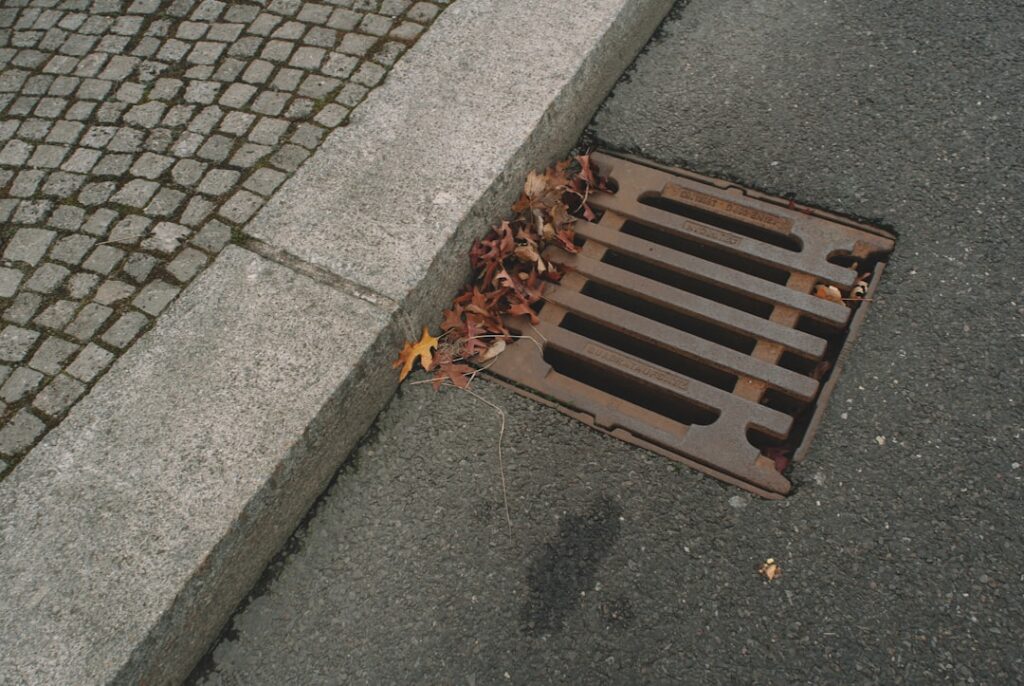
What Are Trench Drains and Why Are They Used in High-Traffic Commercial Areas?
Trench drains are linear drainage systems designed to quickly channel water away from surfaces, particularly where large volumes of water collect. In high-traffic commercial spaces across Columbus, OH—such as retail centers, parking lots, loading docks, and public facilities—these drains help manage stormwater, reduce standing water, and improve overall safety.
Proper drainage is critical in local commercial zones due to frequent rainfall, seasonal snowmelt, and freeze-thaw cycles that can lead to pooling and surface deterioration. By keeping walkways, entrances, and work zones drier and safer, trench drains help protect property, support compliance with building codes, and prevent slip hazards for employees and pedestrians.
What Features Matter Most for Trench Drains in Busy Commercial Environments?
The most important features for trench drains in high-traffic commercial areas are durability, load rating, debris resistance, and ease of maintenance.
Direct Answer: For high-traffic zones, trench drains must withstand constant vehicle or foot traffic, cope with the weight and impact of heavy loads, and resist clogging from local debris like leaves and grit. Consider drains that have:
- Load ratings appropriate for vehicle or heavy equipment if needed (Class C or higher)
- Rugged materials such as ductile iron, polymer concrete, or reinforced concrete
- Grates with patterns that prevent large scraps or trash from entering
- Shallow or deep profiles depending on space under slab or pavement
Ignoring these factors can result in frequent clogs, rapid wear, or safety hazards—leading to costly disruption for local businesses and visitors.
How Does Weather in Columbus, OH Affect Trench Drain Choice?
Direct Answer: The city’s freeze-thaw cycles and mixed precipitation make material strength and proper installation key.
Winters in Columbus bring snow and ice, while spring and summer can feature heavy rainstorms. Freeze-thaw cycles can cause soil to shift, stressing poorly installed or wrongly sized trench drains. Select systems with frost-resistant anchoring and stable sub-base preparation, and periodically inspect drains for heaving or settling along their edges.
Additionally, rapid snowmelt may overwhelm undersized drains. For areas prone to snow stacking (such as parking lot perimeters), wider trench widths or higher-capacity drains may be needed for effective runoff control.
Are All Trench Drains the Same Size?
Trench drains come in a variety of widths, depths, and lengths. Size depends on:
- The expected water volume
- Surrounding pavement or surface type
- Available installation depth
For commercial settings, wider and deeper drains (typically 6–12 inches wide) are often selected to handle larger flow. However, in areas where installation depth is limited—such as atop existing concrete or near utilities—shallower systems are used.
A common misconception is that wider trenches are always better. In practice, oversized drains can be more expensive and harder to maintain, while undersized ones may cause backups. Balancing size with expected demand and space limits is key, especially in dense developments and older areas with tight layouts.
What Types of Grates Are Used, and Why Does It Matter?
Direct Answer: Grates vary by material, slot spacing, shape, and slip resistance—each affecting function and safety.
Grates typically come in materials such as galvanized steel, ductile iron, stainless steel, or reinforced plastic. Some offer anti-slip coatings for pedestrian safety near entrances. The choice depends on:
- Traffic type (wheel loads vs. pedestrian)
- Risk of theft or vandalism (metal grates are sometimes locked)
- Exposure to chemicals or deicing salts
In Columbus, durable iron grates are common for vehicle areas, while finer mesh or slip-resistant grates are preferable at doorways and walkways where shoes, wheels, or canes might catch.
Local building guidelines often specify ADA-compliant grates with slot openings less than ½ inch wide for pedestrian safety.

How Are Trench Drains Maintained in Commercial Spaces?
Direct Answer: Routine inspection, debris removal, and checking for shifting are essential to reduce flooding risk and prolong system life.
Practical maintenance for area businesses or facilities includes:
- Clearing leaves, gravel, or trash from grates regularly
- Flushing the trench with water to clear sediments
- Inspecting for broken grates, cracks, or signs of frost heaving each season
- Verifying surface slope to ensure water flows toward drains and not away
Failure to maintain these drains, especially after autumn leaf fall or winter storms, can result in localized flooding and surface damage.
What Are Common Oversights When Installing Trench Drains in Columbus Commercial Properties?
Several issues often come up locally:
- Underestimating runoff from hardscapes (parking lots, loading docks)
- Installing drains without reinforcing the surrounding concrete, leading to edge cracking
- Placing grates too close to door thresholds, risking trip hazards or interior water
- Using plastic systems where heavy delivery vehicles are present, leading to early failure
Taking time to evaluate site-specific needs—such as local drainage patterns, seasonal traffic changes, and surface materials—helps prevent costly corrections later.
How Does Proper Drainage Contribute to Long-Term Cost Savings?
Direct Answer: Well-selected and maintained trench drains can prevent pavement deterioration, reduce liability risks, and lower maintenance costs over time.
Without reliable drainage, pooled water accelerates pavement cracks, allows ice patches to form, and increases the frequency of repairs. This creates both direct costs and potential liabilities for businesses, property managers, and public institutions in the city.
By investing in an appropriately sized, well-built drain system with regular upkeep, commercial spaces support safer, longer-lasting infrastructure and can often reduce disruptions common after heavy rains or freeze events.