

 See My Latest Article on HelloNation
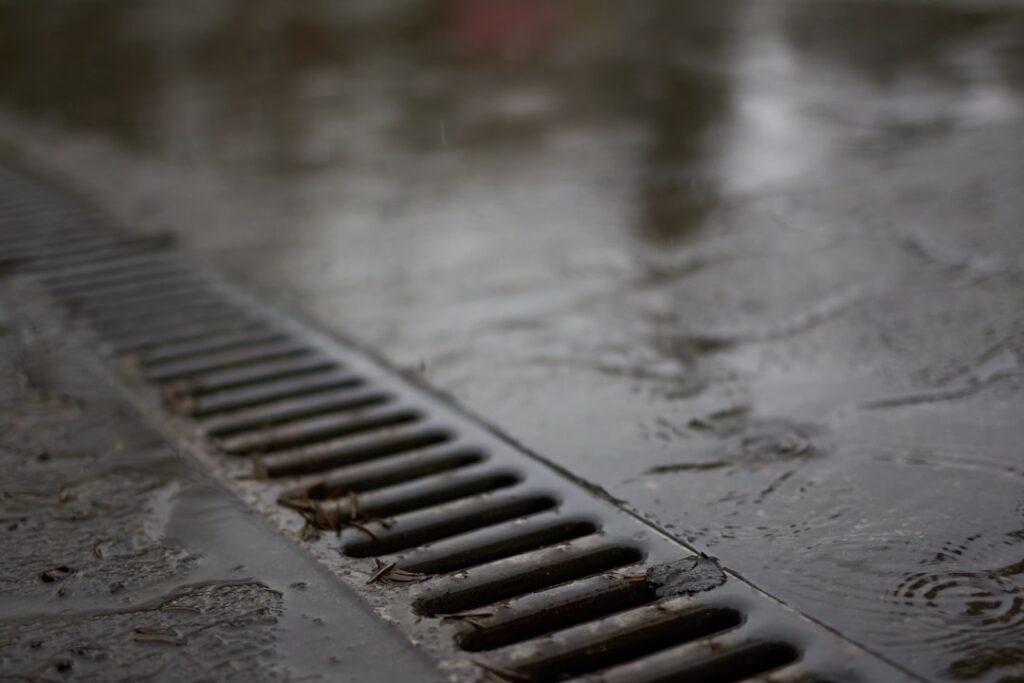
Why Do Commercial Sites in Columbus, OH Need Specific Trench Drain Grates?
Commercial properties in Columbus, OH are affected by heavy rainfall, freeze-thaw cycles, and mixed urban and suburban layouts. Trench drain grates must handle these environmental factors, along with the type and volume of traffic typical for business or public spaces.
The right grate prevents flooding, protects pavement, and minimizes slip, trip, or theft hazards. For properties like parking lots, loading docks, and sidewalks around offices or multi-family housing, properly selected grates keep water draining efficiently during both summer storms and winter melts.
What Loading Ratings Do Local Sites Require?
Trench drain grates are graded by how much weight they support—critical for commercial settings. The main load categories to consider:
- Light Duty (Class A/B): Suited for pedestrian traffic or light landscaping.
- Medium Duty (Class C/D): Suitable for driveways, parking areas, and light vehicle paths.
- Heavy Duty (Class E/F): Necessary for loading docks, industrial drives, and frequent truck crossings.
For most commercial settings in the city, medium to heavy duty ratings are standard due to service vehicles, delivery vans, and trucks. Choosing a rating that’s too light can lead to broken grates and expensive repairs.
How Does Material Choice Affect Performance and Durability?
The material of the grate plays a major role in how it holds up, both in day-to-day use and local weather. Common options include:
- Ductile Iron: Durable, strong, and resilient to loads—popular for high-traffic sites.
- Galvanized Steel: Offers corrosion resistance but can be slippery if not treated with texture.
- Stainless Steel: Resists corrosion, a good fit for places needing both strength and a sleek finish (like public plazas).
- Plastic or Composite: Lightweight, used in low-load zones or areas where corrosion is a major concern. Not ideal for heavy vehicle areas.
For Columbus, regular freeze-thaw cycles and road salt use make corrosion resistance a priority. Ductile iron or properly galvanized/stainless grates typically perform best in exterior commercial settings. Grates installed near landscaping or with exposure to fertilizers may also require specialty materials.
What Grate Patterns and Slot Sizes Work Best?
Pattern and slot size can impact both drainage and safety. Common questions to consider:
*Are slots big enough for water, but small enough for safety?*
Wide slots allow better water flow, but can trap heels, bicycle tires, or even small mobility aids. ADA compliance and local accessibility codes often require slots to be less than 1/2 inch wide in high-traffic pedestrian areas.
*Is the pattern slip-resistant?*
Raised textures, crosshatch grids, or surface treatments improve grip in wet and icy weather, which reduces accident risk during Ohio’s snowy months.
*Will debris clog the grate?*
Large, open patterns capture water quickly, but can also admit branches and litter. For properties with lots of trees or outdoor trash, choose grates that balance flow with debris protection.
Are There Local Codes and Regulations to Follow?
Yes. Building and development codes often specify trench drain grate standards to ensure safety, accessibility, and drainage performance.
In Columbus, commercial properties must frequently adhere to:
- ADA (Americans with Disabilities Act) requirements for pedestrian areas
- Stormwater regulations, including considerations for environmental runoff management
- Local inspection and safety criteria, especially around schools, hospitals, and public plazas
Failure to meet these codes can result in fines, required retrofits, or liability for injury. Grate selection should always confirm legal compliance for both current codes and anticipated property uses.

Do Weather and Seasonal Changes Influence Grate Selection?
Columbus experiences substantial rainfall through spring and summer, plus frequent freeze-thaw cycles in late fall and winter. Snow and ice removal, as well as deicing chemical use, add to the challenges for drainage systems.
In this climate, consider:
- Materials that resist salt and corrosion
- Grate designs that won’t become hazardous when snow or slush covers the surface
- Profiles that won’t snag shovels, plows, or snow blowers during maintenance
Routine seasonal check-ups also help spot issues with clogged or damaged grates early.
What Common Mistakes Do Local Property Managers Make?
Some overlooked factors can cause recurring headaches:
- Underestimating load class, resulting in frequent damage
- Ignoring ADA and local codes, risking liability
- Choosing incompatible materials for winter conditions
- Overlooking debris issues in tree-heavy or landscaped sites
- Neglecting regular inspection and cleaning, especially after storms
Addressing these early by considering traffic, weather, landscape, and legal standards can minimize maintenance needs and prolong the life of the trench drain system.
How Can Residents and Property Owners Ensure Long-Term Performance?
Start by reviewing where and how the grates will be used—think about vehicle type, foot traffic, weather exposure, and local environmental factors. Double-check all regulatory requirements to avoid later complications.
Establishing a routine cleaning and inspection plan will help keep drainage channels clear, prevent backups, and catch minor problems before they grow. It’s especially valuable after heavy storms, leaf drops, or winter salt use, which all create extra debris and potential blockages for trench drains in this region.