

 See My Latest Article on HelloNation
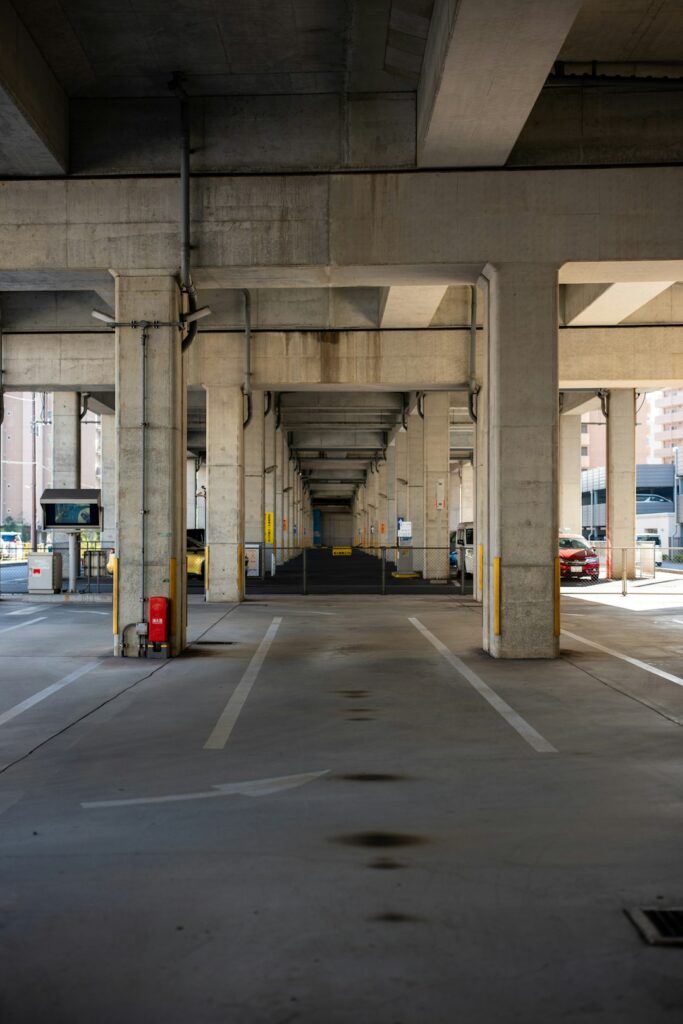
Parking garages depend on reliable drainage to manage rain, snow, vehicle wash water, and melting ice. A properly planned trench drain system helps move water away from driving lanes, ramps, pedestrian routes, structural joints, and enclosed areas before moisture creates safety or maintenance problems.
In Columbus, OH, seasonal freeze-thaw cycles make drainage especially important. Water that remains on or beneath concrete can freeze, expand, and contribute to surface deterioration, blocked drains, and slippery conditions.
Why do parking garages need trench drains?
Parking garages use trench drains to collect water across a long, narrow area and direct it toward an approved discharge point. Unlike a single point drain, a trench drain can intercept runoff along ramps, entrances, garage doors, and other locations where water naturally travels across the pavement.
Typical sources of garage water include:
- Rain carried in by vehicles
- Snow and ice melting from tires and wheel wells
- Water used for cleaning
- Condensation from mechanical systems
- Stormwater entering at open sides or upper levels
- Water flowing down sloped ramps
Without effective collection, water can spread across vehicle paths or pool near walls and columns. On ramps, even a shallow layer of water can reduce tire traction. In enclosed garages, standing moisture can increase corrosion risks for vehicles, metal components, fasteners, and exposed structural elements.
Where are trench drains commonly placed?
The location of a drain matters as much as its size. Drainage should be planned around the direction and speed of water flow, not simply added to the lowest visible point after construction.
Common locations include:
Garage entrances
Entrances are vulnerable to rain, snow, and melting ice entering from the outside. A trench drain placed near the threshold can intercept water before it travels deeper into the structure.
The drain should not create a raised edge that affects vehicles, carts, bicycles, or pedestrians. Its grate and frame also need to remain stable under repeated wheel traffic.
Downward ramps
Ramps often carry water toward the lowest level of a garage. A trench drain across the ramp can capture runoff before it reaches interior parking areas or mechanical rooms.
Ramp drains must be designed for traffic loading and installed so the surface remains smooth. Poorly aligned drains can create jolts, noise, or damage from repeated impacts.
Transitions between slopes
Changes in grade can concentrate water. A drain may be useful where a sloped driving surface meets a flatter parking level, especially if water tends to collect at that transition.
Garage doors and pedestrian routes
Water can enter below or around overhead doors. Drainage near the door line helps limit seepage and prevents puddles in walking areas. If a trench crosses a pedestrian route, the grate opening must be suitable for shoes, canes, wheelchairs, and small wheels.
Low points and structural joints
Low areas near columns, walls, expansion joints, and floor penetrations may need targeted drainage. These locations should be evaluated carefully because water near a joint can enter cracks or migrate toward lower levels.
How should the system handle Columbus weather?
Cold weather changes how a parking garage drainage system performs. In winter, snow and ice can block grate openings, while meltwater may refreeze if the drain is slow or undersized.
Useful design considerations include:
- Adequate channel capacity for sudden snowmelt and heavy rainfall
- Grates that can tolerate repeated vehicle loading
- Materials suited to moisture, road salt, and temperature changes
- Accessible cleanouts for removing sediment and ice-related debris
- Sufficient slope in connecting pipes
- Protection against sediment entering the outlet system
- Details that reduce water migration beneath concrete surfaces
Road salt is another concern. Salt-laden water can increase corrosion of metal components and may contribute to deterioration of reinforced concrete if it reaches cracks or embedded steel. Drain materials, frames, fasteners, and surrounding concrete should be selected with this exposure in mind.
What load rating is needed for a parking garage drain?
The drain must be rated for the traffic that will cross it, not merely for the weight of people walking nearby. Passenger vehicles, delivery vehicles, maintenance equipment, and emergency vehicles can create very different loading conditions.
A suitable drain assembly typically considers:
- Vehicle type and expected frequency
- Wheel loads and turning movements
- Whether vehicles will cross at an angle
- Dynamic impact from uneven surfaces
- Potential use by maintenance or emergency equipment
- The condition and strength of the surrounding concrete
A grate can appear heavy-duty but still perform poorly if the frame is not fully supported or if the surrounding concrete breaks away. Installation quality, bedding, reinforcement, joint treatment, and concrete placement all affect long-term performance.

Which grate openings are safest?
Grate design affects both drainage and accessibility. Openings that are too narrow may restrict flow, while openings that are too wide can catch bicycle tires, mobility-device wheels, or shoe heels.
On pedestrian routes, grates should be stable, flush with the surrounding surface, and oriented to reduce the chance of wheels becoming trapped. Slotted patterns may need special review where bicycles, carts, or small-wheeled equipment are common.
A grate also needs enough open area to let water enter without causing rapid surface flow to bypass it. Leaves, gravel, salt residue, and dirt can reduce that open area over time, so maintenance access should be considered during design.
Does a trench drain replace waterproofing?
No. A trench drain manages water at the surface, but it does not replace waterproofing, joint treatment, crack repair, or structural protection.
A garage may still experience leakage if water enters through:
- Expansion or control joints
- Cracks in slabs or walls
- Wall-to-floor transitions
- Pipe penetrations
- Deteriorated sealants
- Poorly protected below-grade walls
Drainage and waterproofing work together. Capturing water before it reaches vulnerable areas reduces exposure, while waterproofing limits the amount of moisture that can pass through the structure.
What maintenance does a parking garage trench drain require?
Routine inspection is necessary because drainage problems often begin with partial blockage rather than a complete failure. Sediment, leaves, gravel, trash, and winter residue can collect in the channel or at the outlet.
A practical maintenance routine may include:
- Removing debris from grate surfaces
- Checking whether water drains at a normal rate
- Flushing or cleaning the channel when sediment accumulates
- Inspecting frames for movement or broken supports
- Looking for cracked concrete beside the drain
- Checking sealants and joints for separation
- Inspecting outlet piping and catch basins
- Documenting recurring ponding after storms or snowmelt
The timing of inspections should reflect local conditions. More frequent checks may be needed after winter weather, major storms, construction activity, or garage washing.
What are common drainage mistakes?
Several problems can reduce performance even when a trench drain is present.
An undersized outlet may cause water to back up in the channel. A drain installed too high can leave a shallow puddle beside it. A poorly supported frame may loosen under traffic. Gaps at joints can allow water to migrate beneath the slab. A drain placed without considering the full ramp profile may capture only part of the runoff.
Another common misconception is that a larger grate automatically solves drainage problems. If the channel, outlet, slope, or surrounding pavement is inadequate, increasing grate size alone may not correct ponding.
For garages with persistent leaks, icing, structural cracking, or water near electrical equipment, evaluation by a qualified building, drainage, or structural specialist may be necessary for safety and code-related reasons. The appropriate solution depends on the garage layout, traffic loads, drainage outlet, concrete condition, and exposure to weather.